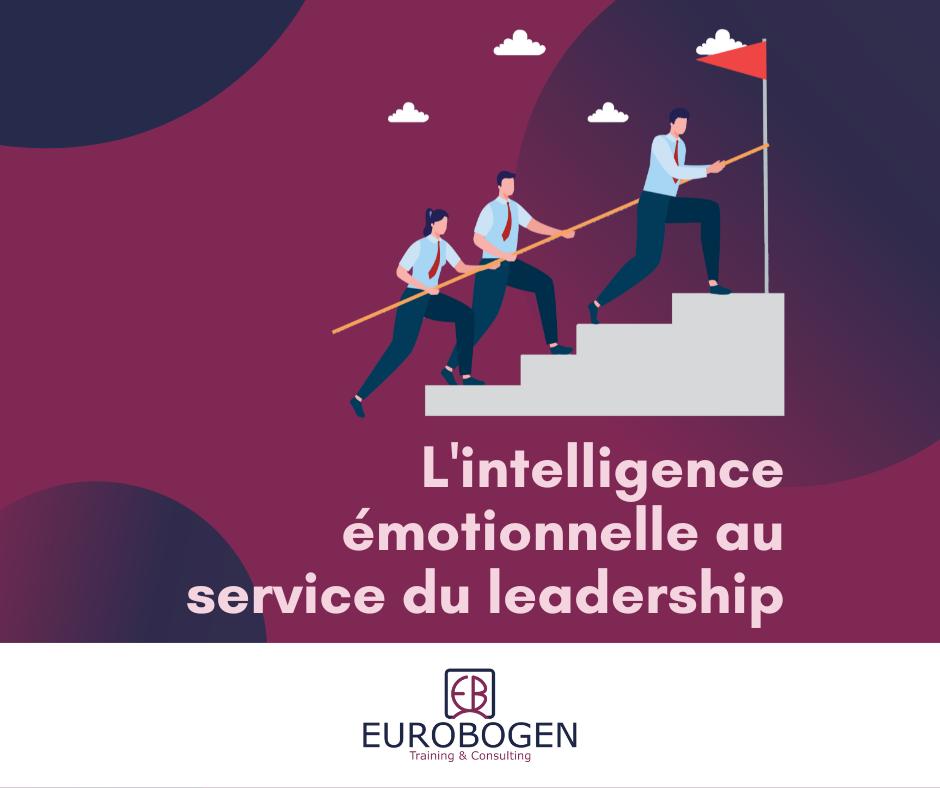
Emotional intelligence has become an essential skill for managers, who are jointly responsible for the performance and fulfillment of their teams. This intelligence refers to the ability to recognize, understand, and manage our own emotions, as well as those of others. For a team leader, this means being aware of their own emotions and how they influence decision-making, communication, and relationships with team members.
Here are a few reasons why developing emotional intelligence is essential for managers who want to excel in their role:
A deep sense of self-awareness
Emotional intelligence helps you develop deep self-awareness. By being connected to your emotions and reactions, you can better understand your strengths, weaknesses, and values. This increased self-knowledge allows you to make more informed decisions and act authentically, which inspires trust and credibility in others.
Enhanced relationship management skills
Emotional intelligence strengthens your relationship management skills. By being attentive to the emotions of others, you can develop empathy and understanding that help you build strong and meaningful relationships. By establishing open communication and listening actively, you create a work environment where everyone feels heard and valued, thereby promoting collaboration and cooperation.
Effective management of conflicts and difficult situations
Emotional intelligence enables you to effectively manage conflicts and difficult situations. By regulating your own emotions, you can approach challenges with calmness and resilience. This facilitates problem solving and maintains harmony within the team. In addition, you are able to recognize and respond to the emotional needs of your colleagues, creating a climate of trust and mutual support.
A positive corporate culture
Finally, developing emotional intelligence promotes a positive corporate culture. When leaders demonstrate high emotional intelligence, it creates a ripple effect throughout the organization. Team members are inspired to develop their own emotional skills. This contributes to a more respectful, inclusive, and motivating work environment. A positive corporate culture attracts and retains the best talent, promotes innovation, and improves the overall performance of the organization.

In conclusion, developing and using emotional intelligence is essential for leaders who want to excel in their role. By being aware of your emotions, developing relationship management skills, and fostering a positive corporate culture, you will improve your leadership skills. This will strengthen professional relationships and create a fulfilling work environment for everyone.
Sources
- Goleman, D., Boyatzis, R., & McKee, A. (2002). Primal leadership: Realizing the power of emotional intelligence. Harvard Business Review Press.
- George, J. M. (2000). Emotions and leadership: The role of emotional intelligence. Human Relations, 53(8), 1027-1055.
- Cherniss, C., & Goleman, D. (2001). The emotionally intelligent workplace: How to select for, measure, and improve emotional intelligence in individuals, groups, and organizations. Jossey-Bass.